

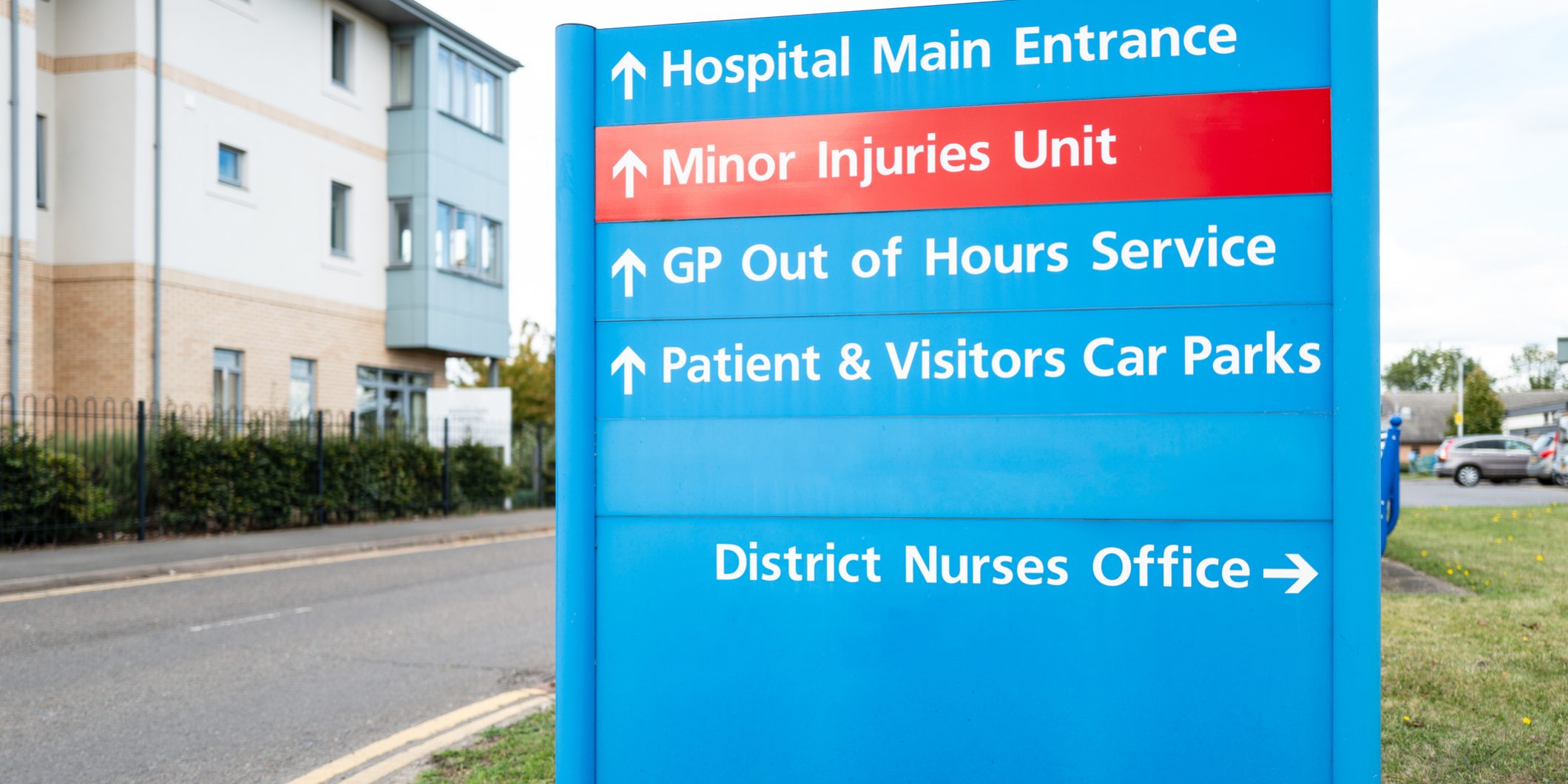
The announcement of NHS England’s planned scrapping is a radical move by the government that could have wider implications for the structure of healthcare delivery in England
At Polimapper, we wanted to understand how the absorption of NHS England into the Department of Health and Social Care (DHSC) would impact healthcare geography and healthcare data collation.
So we spoke to Mark Dayan, Head of Public Affairs at the Nuffield Trust, to explore this further:
Polimapper: What are the implications of scrapping NHS England for healthcare planning?
Mark Dayan: The abolition of NHS England is part of a broader reorganisation that could shift planning functions into the Department of Health. Whether this leads to more localised decision-making through Integrated Care Systems (ICSs) or further centralisation remains uncertain.
One way to approach the change is to move all the functions of NHS England to the Department and continue them in a similar form. But it’s also possible that we see other adjustments alongside it. It’s really unclear right now.
Will the abolition of NHS England lead to greater centralisation of decision-making, despite the stated aim of devolving more power to local bodies?
Banding together seems like an obvious response, leading to larger regions. But even that hasn’t been officially announced.
Changes to the regional tier and whatever succeeds it, or changes to Integrated Care Boards (ICBs), might happen, and those would affect the maps. But we haven’t actually had that confirmed yet
It’s an important decision, but there’s been very little detail so far. It’s also unclear whether it will lead to real change at the local or regional level or if it will just be a reshuffle of central functions. We’ll just have to wait. The 10-year plan should give a more official indication of what’s coming, particularly regarding financial control, responsibilities, and how integrated care boards will operate.
And even beyond that, there are other levels underneath the ICBs, like neighborhood health services. In many places, those have been quite significant.
Will local health data be better controlled?
It’s possible that ICSs could have more control over local health data and policymaking, but it’s not guaranteed.
We just don’t know yet whether local decision-making will lead to better data use or result in more fragmented services. The abolition of NHS England itself doesn’t necessarily change that. It depends on how the Department of Health implements the reorganisation.
How will cross-border healthcare comparisons be affected?
There’s a lot that makes cross-border comparisons difficult already, and NHS England’s presence isn’t a major factor in that. Health boards in Scotland and Wales have more powers than English ICBs, but the structural differences between the systems will persist.
Could the transition cause disruptions in the short term?
Yes, there’s a likelihood of disruption, particularly if ICBs merge.
There’s definitely an expectation that some ICBs will band together in response to staffing cuts. Larger regions may form as a result, but even that isn’t confirmed yet. We’ll have to wait and see how it plays out.
Will long-term healthcare planning become easier or harder under a more centralised framework?
It’s uncertain whether the system will ultimately become more centralised or decentralised.
The recent planning guidance suggested reducing targets to allow more local flexibility, which leans towards decentralisation. However, the centralisation of performance management for things like waiting times indicates the opposite. It’s a mixed picture at the moment, and only time will tell how the balance shifts.