

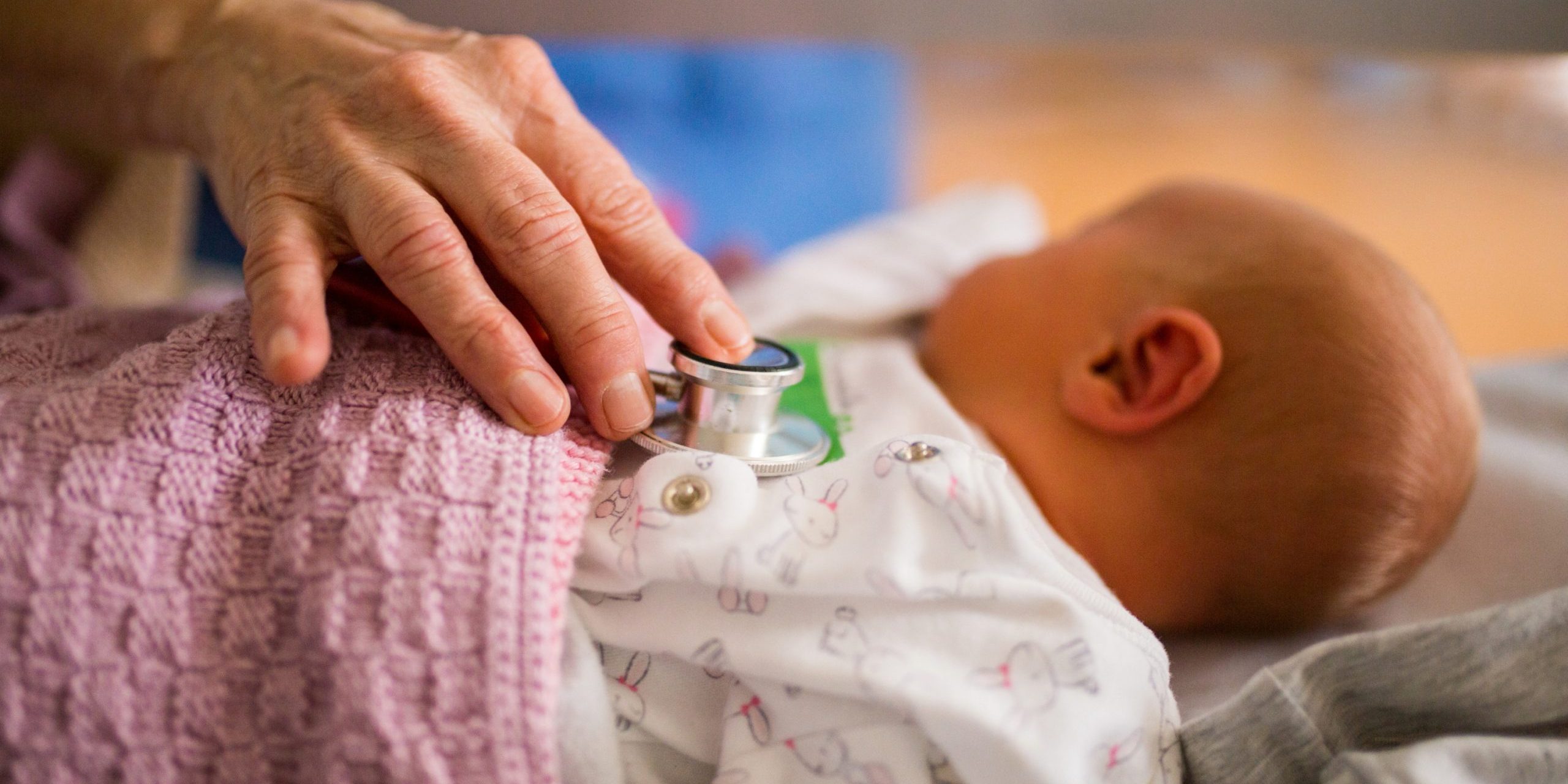
Child mortality rates have significantly increased in England, the Office for Health Improvement & Disparities (OHID) reports.
Over the last 20 years, the child mortality rates have fallen from 18.0 deaths per 100,000 registered in 2001/2003 to 10.0 per 100,000 in 2019 to 2021. However, this has significantly increased in the last two time periods to 11.2 per 100,000 in 2021-2023. Boys aged 1 to 17 years old continuously register higher mortality rates than girls.
The infant mortality rate also increased during this time period. For infants under 1 year old, the death rate was 4.1 per 1,000 live births between 2021 and 2023. Although not a significant growth rate, this contrasts previous trends.
Child mortality rates amongst 1 to 17 year olds were highest in Tameside (24.2 per 100,000) and infant mortality rates highest in Birmingham (8.4 per 1,000 births). Conversely, child mortality rates were null in 19 areas, including Bedford, Rutland, and Sutton.
The data published this morning by the OHID also reports on key topics in child and maternal health, including emergency hospital admissions (under 18s) and self-harm amongst children and young people (10 to 24 years).
The male rate for hospital admissions due to self-harm in 2023/2024 decreased to 104 per 100,000 and the female rate to 433 per 100,000, with the female rate remaining consistently higher. Emergency hospital admissions also saw a decreased rate to 151 per 1,000 in the most recent reported year.
On a local level, North Tyneside saw the highest rate of self-harm hospital admissions amongst a population of 10 to 24 year olds (784.9 per 100,000 people). Rutland saw no admissions for self-harm and Bromley registered a low rate of 65.5 per 100,000. Additionally, Darlington registered a significantly higher rate of emergency admissions for under 18 year olds at 164 per 1,000 people.
About the map
The map below shows mortality rates amongst children and infants between 2021 and 2023 as well as emergency hospital admissions and self-harm hospital admissions amongst children and young people in the financial year 2023/2024. To explore detailed figures for your area, double-click on the map or click here to view the full-page version.