

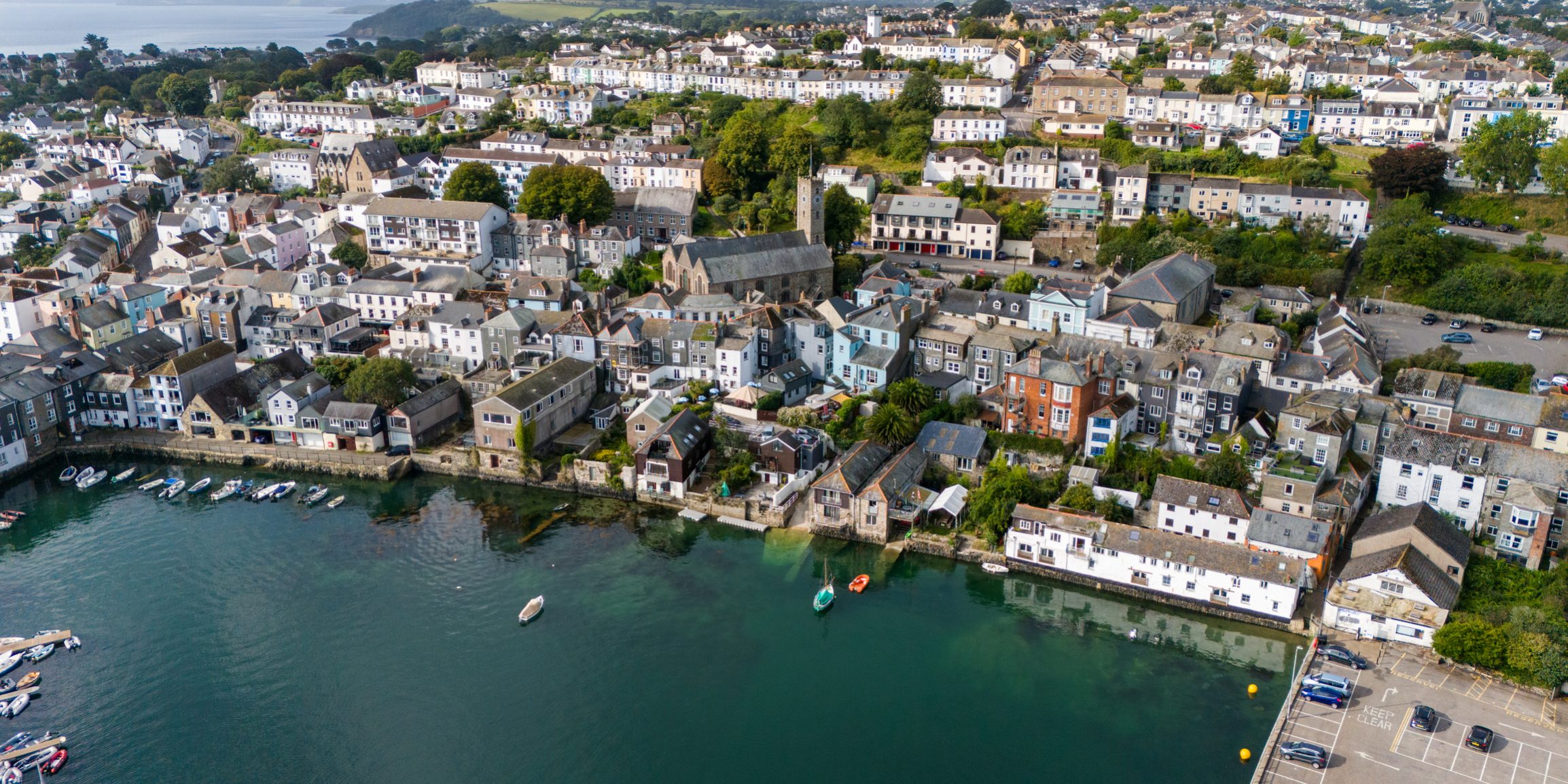
In 2024, Cornwall registered 14,123 second homes, the highest in the country. This is 5% of all homes in the local authority.
As various local authorities seek to establish council tax premiums for second homes and empty dwellings ahead of the next financial year, new data from the Ministry of Housing, Communities and Local Government has revealed a 6.3% increase in the number of second homes in 2024 from the previous year.
Additionally, an increase of 4.5% in empty homes was also seen last year. Of all empty dwellings, only 21% were charged the Empty Homes Premium, whilst 68% were charged no premium at all.
For council tax purposes, and at a local authority discretion, empty homes are charged at a premium rate when empty for one year or over, and provided with a discount when unoccupied for less than a year. Regarding second homes, these may be entitled to a discount as well and may start paying premiums from the next financial year onwards.
Last year, Cornwall registered a significantly higher number of second homes when compared to any other local authorities in England. The popular seaside holiday destination saw 5,000 more second homes than those in the areas which follow. Additionally, the highest numbers of empty homes were in Birmingham (9,936) and Leeds (9,779).
Watford registered the highest rate of empty homes not being charged a premium (96%), whilst Basingstoke and Deane registered the lowest (17%). In the City of London, 71% of empty homes were charged the Empty Homes Premium last year, whilst none were charged this in Ribble Valley, Amber Valley, Bolsover and Castle Point.
Geodata context
Cornwall Council is planning on charging a council tax premium on second homes in the UK due to concerns over local government budget and tax evasion, whilst the South Cambridgeshire District Council seeks to double council tax on second homes and empty properties as part of an effort to tackle housing issues in the area.
Cllr John Conway, Cornwall Council: “Whether it’s making it a holiday let, trying to put the property in someone else’s name or some other ways that they come up with, I am absolutely convinced those with second homes will do everything they can not to pay the extra tax.”
“The head of compliance will look into any houses that are trying to avoid it. They’ll be looked at closely to make sure everything is being done properly.”
Cllr Natalie Warren-Green, lead cabinet member for environmental services at South Cambridgeshire District Council: “Bringing empty homes back into use is more than just a housing solution – it’s a step toward stronger, more vibrant communities. Every property that is left empty is wasted potential, while every home we can bring back into use contributes to tackling housing shortages.”
“By making the best use of what we already have, we reduce environmental impact, tackle the housing crisis, and create sustainable healthy homes and vibrant communities.”
About the map
The map below shows statistics on second and empty homes per local authority in 2024. To explore detailed figures for your area, double-click on the map or click here to view the full-page version.