

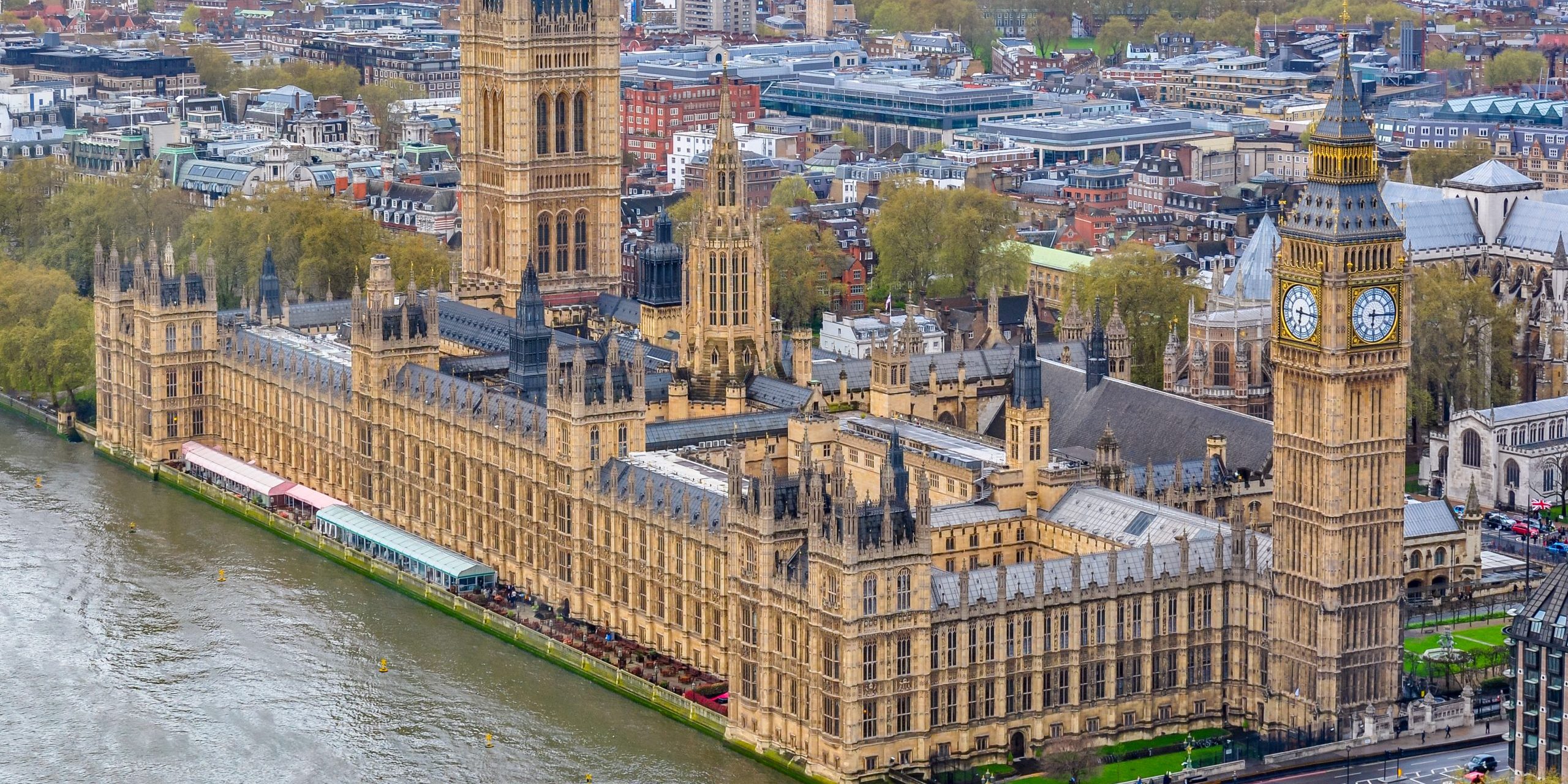
Parliamentary events offer a unique opportunity for organisations to present their causes, campaigns, and data directly to policymakers. With MPs and decision-makers gathered in one place, it’s vital to make every interaction count.
A cornerstone of impactful advocacy is constituency-specific data. By grounding discussions in the lived realities of their constituents, organisations can create a stronger connection and drive meaningful engagement.
Why constituency data matters
MPs are inherently focused on their constituencies. The issues affecting their local communities can influence their decisions and priorities.
Constituency data enables organisations to frame their messaging in a way that directly resonates with policymakers. Whether highlighting inequalities, demonstrating the local impact of national policies, or showing the benefits of proposed initiatives, tailoring information to specific areas ensures relevance and impact.
By presenting information that aligns with MPs’ local concerns, organisations can foster more productive discussions and increase the likelihood of support.
Bridging the gaps in understanding
Using constituency data is not just about presenting facts; it’s also about making complex issues accessible. Visual aids like charts, infographics, and maps can simplify detailed datasets, ensuring that key points are easily understood.
Showing variations across constituencies in a visual format can make the disparities more striking and easier to grasp.
Organisations must also ensure their data is accurate, up-to-date, and professionally presented. Working with experienced analysts or data specialists can elevate the quality of materials, helping them stand out in a crowded policy space.
Moving towards visual storytelling
In recent years, visual storytelling has become an increasingly popular way to present constituency data. Tools that transform raw data into dynamic, engaging visuals are invaluable for making an impact at parliamentary events. Visuals, such as maps or graphs, provide a quick, clear overview of the information while allowing viewers to dive deeper if needed.
The role of choropleth maps
One particularly effective visual tool is the choropleth map, often (and sometimes incorrectly) referred to as a heat map. Choropleth maps use colour gradients to represent data variations across geographical boundaries – typically regions, constituencies, or districts. This makes it easy to identify patterns and outliers at a glance.
Constituency data lies at the heart of effective parliamentary engagement. It not only helps organisations tailor information to the concerns of MPs but also serves as a powerful tool at parliamentary receptions. These events provide an opportunity to present data in a way that resonates with MPs and their staff, fostering meaningful conversations and strengthening advocacy efforts. To learn more about leveraging constituency data at receptions and other parliamentary events, explore our new guide for practical tips and best practices.