

In January 2025, a total of 495,904 NHS England patients had a recorded diagnosis of dementia. This represents a slight decrease from the numbers registered one month prior. Of these, 96.9% of patients were aged 65 or over.
However, the NHS estimates that there are a total of 735,168 individuals aged 65 or over in England with dementia. This means that the diagnosis rate in the country is only 65.4%, a decrease from 65.6% in December 2024.
A total of 68.2% of those with a dementia diagnosis have received a care plan or care plan review, whilst 47.4% had their medication reviewed.
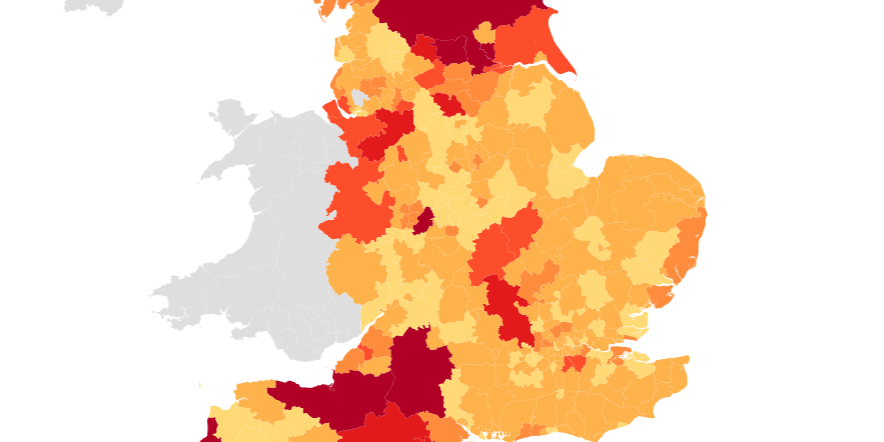
On a local level, in January 2025, Birmingham had the highest number of people over the age of 65 with a dementia diagnosis, with 7,313 patients. Additionally, Lincoln and Stoke-on-Trent registered the highest rate of diagnosis of dementia amongst the estimated number of people with the cognitive impairment, over 90%. Both local authorities saw an increase in diagnosis rates from those registered in the year prior.
Ealing and Tewkesbury saw the highest percentage increases in recorded cases of dementia between January 2024 and January 2025, 35.4% and 25.9% respectively. Conversely, 43 other local authorities saw a decrease in recorded cases, with East Devon registering a decrease of 11.5%.
Geo-data context
The new data release comes three weeks after Wes Streeting has removed dementia diagnosis rate targets from the NHS Operational Planning Guidance for 2025-26. With this, Streeting cut the NHS list of priorities from 32 for 2024-25 to just 18 for the next financial year.
Wes Streeting, secretary of state for Health and Social Care: “This new approach will see the NHS focus on what matters most to patients – cutting waiting lists, getting seen promptly at A&E and being able to get a GP appointment”
Professor Martin Green OBE, chief executive of Care England: “This decision is both unacceptable and offensive to a large section of our society. The government must commit to a clear, robust plan for dementia care. Removing these targets eliminates accountability, allowing individuals to fall through the cracks and be denied the care and support they need and are entitled to. Right now, some people wait years for a dementia diagnosis before they can access vital services. The abandonment of these targets will only exacerbate an already escalating crisis as our population ages.”
Fiona Carragher, chief policy and research officer at Alzheimer’s Society: “Alzheimer’s Society is shocked to learn that dementia, including a dementia diagnosis target, has been removed from the NHS Operational Planning Guidance. This glaring omission is unacceptable and sends the message that dementia does not matter, and is not considered one of England’s healthcare priorities.”
About this map
The map below shows dementia statistics for the months of January 2025, December 2024 and January 2024. To explore detailed figures for your area, double-click on the map or click here to view the full-page version.